
Primary Cell Culture Secrets
Primary cells—directly isolated from living tissues—represent the gold standard for physiologically relevant in vitro models. Yet their exquisite sensitivity to culture conditions makes them notoriously difficult to maintain. This comprehensive guide reveals the expert strategies for media optimization, serum validation, and troubleshooting that separate successful primary cultures from costly failures.
What Are Primary Cells?
Primary cells are cells directly isolated from tissues (human, mouse, primate, etc.) via enzymatic digestion or mechanical dissociation, then subjected to their first in vitro culture. As the critical bridge between in vivo physiology and ex vivo experimentation, they retain native morphology, tissue-specific molecular markers, and authentic physiological functions—yet typically exhibit finite lifespans and limited proliferative capacity.
Key Characteristic: Freshly isolated primary cells are as vulnerable as newborns. They demand precise recapitulation of their native microenvironment, exhibit zero tolerance for toxins, pH fluctuations, and nutrient imbalances, and must not merely survive but maintain tissue-specific functionality.
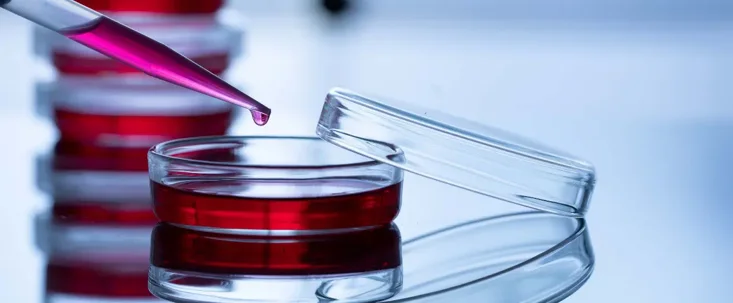
4-Step Framework for Selecting the Optimal Culture Medium
Step 1: Literature Review
- Search high-impact publications from the past 3 years featuring your cell type
- Prioritize recommendations from authoritative repositories (Creative Bioarray)
- Account for species-specific and tissue-specific nutritional requirements
Step 2: Basal Medium Selection
Different cell types have different metabolic needs. Here are some evidence-based starting points:
| Cell Type | Recommended Basal Medium |
|---|---|
| Epithelial cells | DMEM/F-12 (1:1 mixture) |
| Neurons | Neurobasal medium series (provides specialized nutritional support) |
| Endothelial cells | M199 (Medium 199, classic choice) |
| Mesenchymal stem cells | α-MEM (Alpha-MEM, optimal for proliferation) |
Step 3: Serum Screening & Validation
- Lot testing: Every new serum batch must pass growth curve validation before use
- Application matching:
Rapid proliferation → select growth factor-rich lots
Functional maintenance → prioritize hormone-balanced lots
- Heat inactivation: Perform only when experimental evidence demonstrates complement-mediated toxicity
Step 4: Supplement Optimization
- Essential baseline: L-glutamine + non-essential amino acids (NEAA) + antibiotics
- Neurons: B27 supplement + N2 supplement + BDNF
- Hepatocytes: Insulin + dexamethasone + EGF
- Keratinocytes: Calcium ions + epidermal growth factor (EGF)
Unlike immortalized cell lines that have undergone extensive in vitro adaptation, primary cells are freshly harvested from living tissue and impose far more stringent demands on their nutritional environment. Standard formulations often fail to support both proliferation and phenotypic fidelity. Scientifically optimized base media combined with tissue-specific growth factors provide the precision nutrition required for robust expansion and authentic functional maintenance.
The "Death Traps" of Primary Cell Culture
Trap 1: Blindly Using Cell Line Media
Mistake: Using high-glucose DMEM for primary hepatocytes
Consequence: Metabolic dysregulation and rapid dedifferentiation within 48-72 hours
Solution: Always use media formulated specifically for your primary cell type. If in doubt, consult the literature or an expert.
Trap 2: Ignoring Cell Density Effects
Mistake: Applying uniform culture conditions across all seeding densities
Solution: Supplement additional growth factors at low density; increase serum proportion at high density to prevent contact inhibition-mediated stress
Trap 3: Rigid Adherence to Fixed Formulations
Mistake: Treating every primary cell isolation identically
Solution: Each primary cell batch exhibits inter-individual variability. Establish and maintain a dedicated "media optimization log" for every donor/tissue source.
Specialized Culture Strategies
Serum-Free Culture
- Select commercially validated serum-free formulations designed for your cell type
- Gradual adaptation: reduce serum concentration by 25% per passage
- Supplement with cell-type-specific growth factor cocktails to compensate for serum withdrawal
3D Culture Systems
- Increase antioxidant supplementation (vitamin C, N-acetylcysteine) to counteract hypoxia-induced oxidative stress
- Adjust growth factor concentrations to accommodate the three-dimensional structures
- Employ Matrigel-compatible or hydrogel-optimized formulations
Why Primary Cells Matter?
Primary cells retain the most authentic in vivo gene expression profiles, making them indispensable for dissecting complex biological pathways and disease mechanisms. Their physiological relevance extends across diverse frontiers:
- Cell cycle regulation — studying native checkpoint controls without immortalization artifacts
- Stem cell dynamics — capturing genuine self-renewal and differentiation hierarchies
- Cancer evolution — modeling tumor heterogeneity from patient-derived tissues
- Neurodegenerative disease — preserving endogenous neuronal circuitry and synaptic physiology
As the critical bridge connecting fundamental research to clinical translation, primary cells continue to drive our understanding of life sciences and the development of next-generation therapeutic strategies.
Best Practice Recommendation: Always validate primary cell identity post-isolation using tissue-specific markers (e.g., CD31 for endothelial cells, GFAP for astrocytes, albumin for hepatocytes) and monitor for phenotypic drift across passages. Early-passage cells (P0-P3) typically offer the highest fidelity to in vivo states.
Your Research Partner in Primary Cell Culture
At Creative Bioarray, we understand that primary cell culture demands more than off-the-shelf reagents—it requires precision, consistency, and expert support. We offer a comprehensive portfolio of validated primary cells, customized media formulations, and end-to-end research services.
Primary Cell Products — Human, mouse, and primate primary cells from diverse tissues — validated for purity and functionality.
Custom Media Formulation — Tailored culture media optimized for your specific cell type and experimental endpoint.
3D Culture Solutions — Matrigel-compatible systems, organoid media, and scaffold-based culture platforms.
End-to-End Services — From experimental design and cell isolation to data analysis and publication-ready reporting.
Your email address will not be published. Required fields are marked *